Updated 22 October 2026 · By the World to Morocco editorial team
Quick answerMorocco will use six stadiums at the 2030 World Cup: the new Grand Stade Hassan II near Casablanca (≈115,000 seats), Prince Moulay Abdellah Stadium in Rabat (≈68,700), Grand Stade de Tanger (≈75,000), Grand Stade de Fès (≈55,000), Grand Stade de Marrakech (≈45,000) and Grand Stade d'Agadir (≈46,000).
The venues at a glance
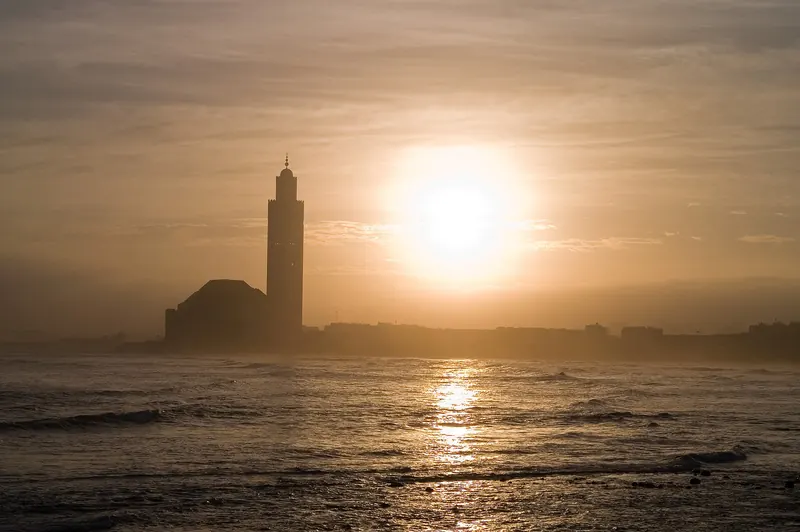
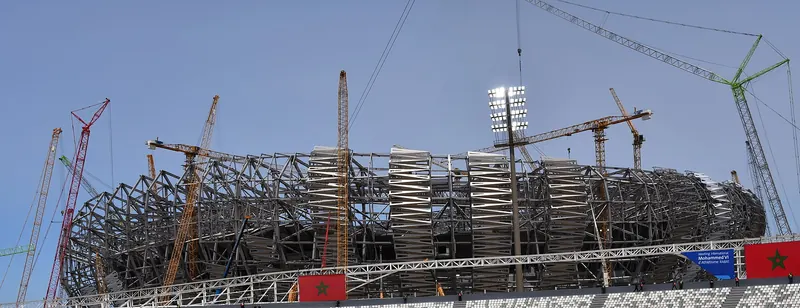
Grand Stade Hassan II
Benslimane (Greater Casablanca) · Capacity ≈115,000 · Under construction
Morocco's flagship venue, rising between Casablanca and Rabat near Benslimane. At around 115,000 seats it is planned to be the largest football stadium in the world, and it is Morocco's candidate to host the final. Its design takes inspiration from the traditional moussem tent gatherings. Expect dedicated rail and road links from Casablanca and Rabat.
Prince Moulay Abdellah Stadium
Rabat · Capacity ≈68,700 · Rebuilt, opened 2025
Demolished and rebuilt from scratch as a football-only arena, the new stadium in the capital opened in 2025 and was a headline venue of the 2025 Africa Cup of Nations. Rabat's tram network and train stations make it one of the easiest venues to reach.
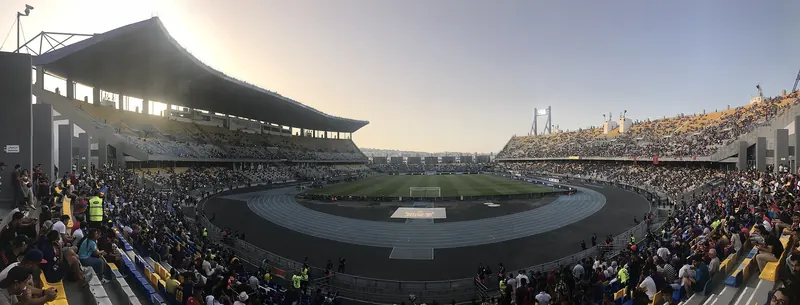
Grand Stade de Tanger (Ibn Batouta)
Tangier · Capacity ≈75,000 · Expanded, reopened 2025
Expanded and fully covered, the Tangier stadium sits on the doorstep of Europe. Fans with tickets in Spain can cross the Strait of Gibraltar by ferry, and Tangier is the northern terminus of Al Boraq, Africa's first high-speed train.
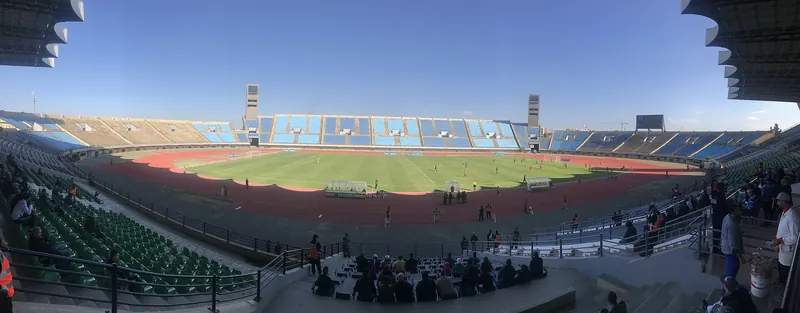
Grand Stade de Fès
Fes · Capacity ≈55,000 · Renovation & upgrade
Being upgraded for 2030, the Fes stadium serves Morocco's spiritual and cultural capital. Matchdays here pair perfectly with the medina of Fes el-Bali and day trips to Meknes and the Roman ruins of Volubilis.
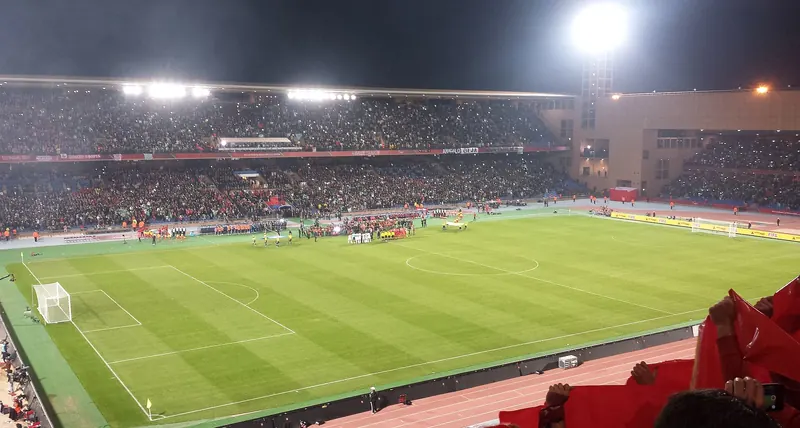
Grand Stade de Marrakech
Marrakech · Capacity ≈45,000 · Renovated
Marrakech's modern stadium lies north-west of the city. It is likely to be the busiest tourism host city, so book accommodation early — and plan for evening heat, which can stay above 30°C after dark in summer.
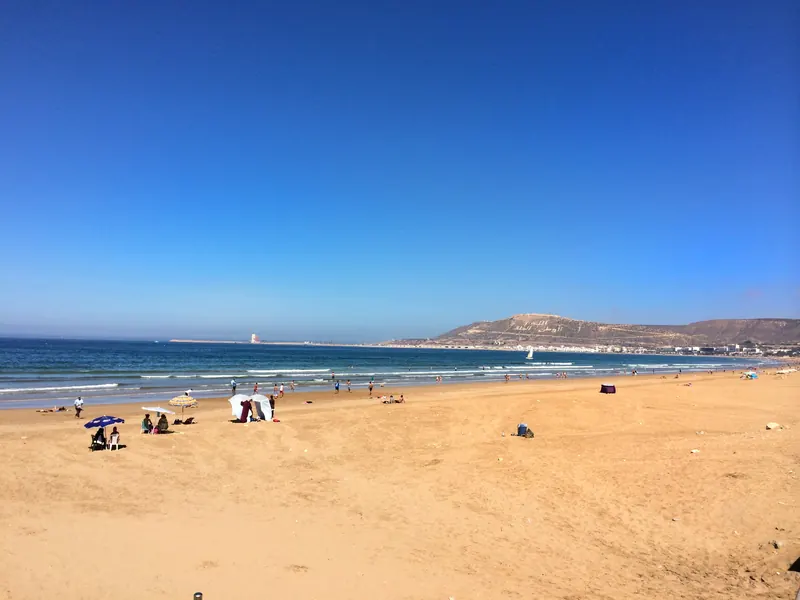
Grand Stade d'Agadir (Adrar)
Agadir · Capacity ≈46,000 · Upgrade planned
On the eastern edge of Morocco's main beach resort, the Adrar stadium gives fans a classic sun-and-sea base, with Atlantic breezes keeping summer temperatures far milder than inland cities. Surf towns Taghazout and Tamraght are 20–30 minutes away.
Matchday tips for every stadium
- Arrive 2–3 hours before kick-off: security checks at large tournaments take time.
- Use public transport or official shuttles where possible; parking is limited and roads close around venues.
- Bring a refillable bottle (empty through security), sunscreen and a hat for afternoon games.
- Keep your ticket on your phone and charge it fully — FIFA uses digital tickets.
- Respect local customs: stadiums are alcohol-free in Morocco.
Getting to the stadiums
Rabat, Casablanca and Tangier are linked by Al Boraq high-speed trains, and the new line to Marrakech is planned to be running by the tournament. Fes is on the conventional rail network from Rabat and Tangier, while Agadir is best reached by plane or the comfortable CTM and Supratours coaches. Read our transport guide for travel times between host cities.
Construction status reflects public reports as of October 2026. We will update capacities and opening dates as each venue is completed.
Frequently asked questions
What is the biggest stadium for the 2030 World Cup?
The Grand Stade Hassan II near Casablanca, planned at around 115,000 seats, which would make it the largest football stadium in the world.
Where is the Grand Stade Hassan II?
In Benslimane province, between Casablanca and Rabat, roughly 40 km from central Casablanca.
Can you drink alcohol in Moroccan stadiums?
No. Alcohol is not sold in Moroccan stadiums. Licensed bars, hotels and restaurants in the host cities do serve alcohol.